The Complete Guide to Color Masterbatches: Types, Applications & Benefits
What Are Color Masterbatches?
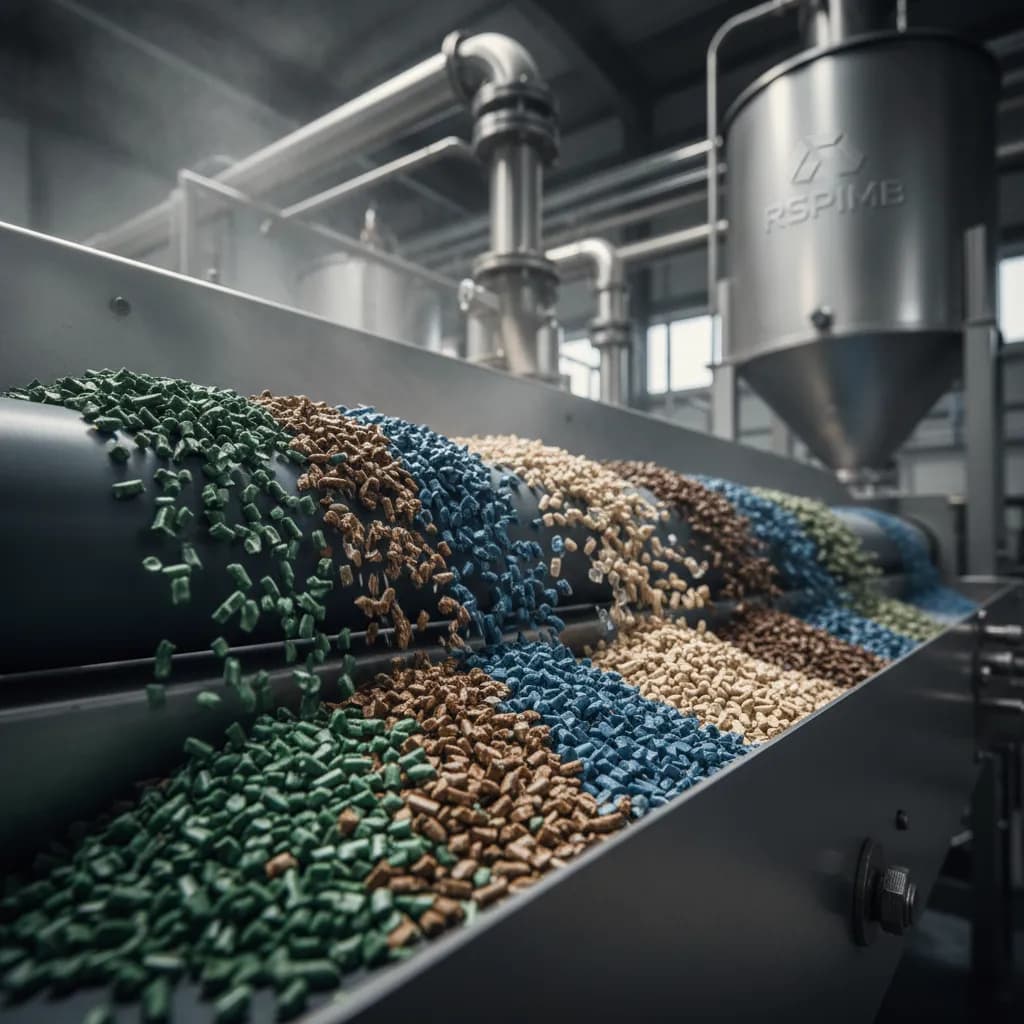
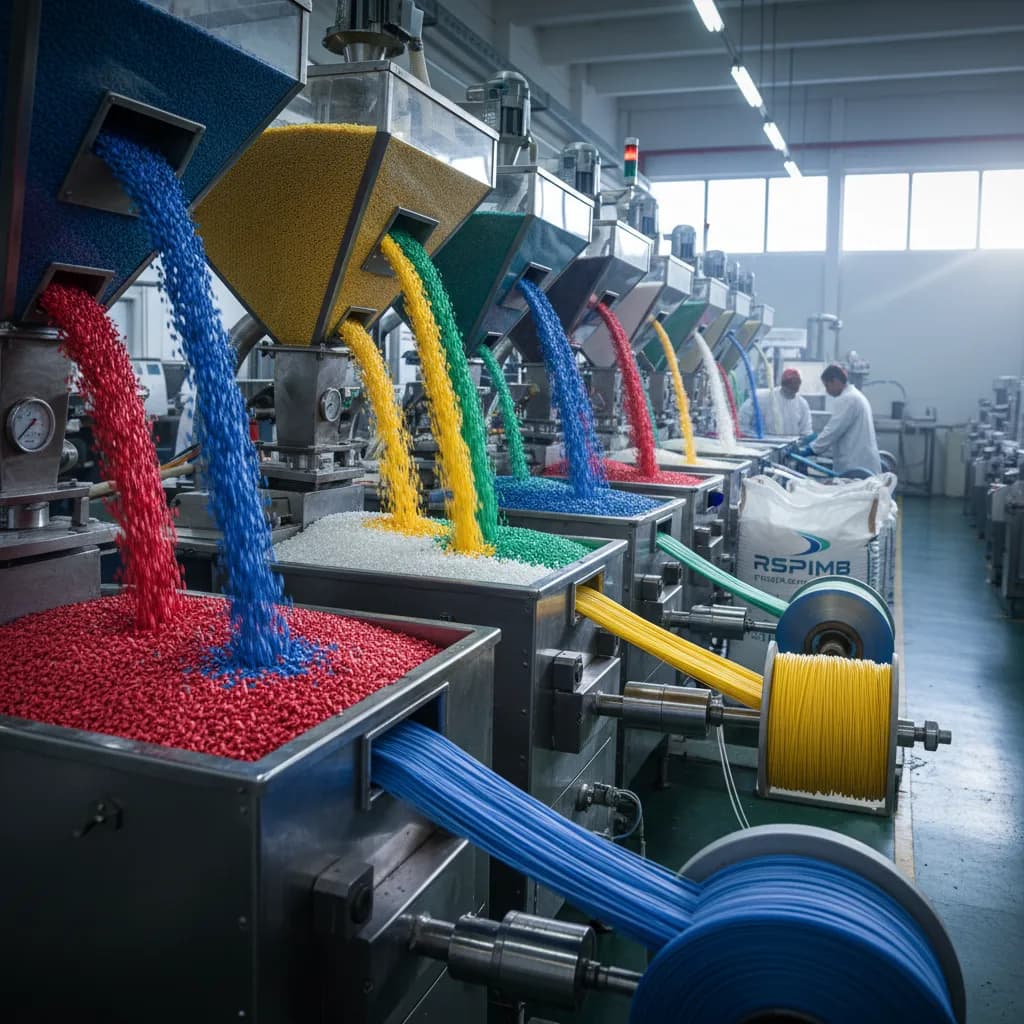
Color masterbatches are concentrated mixtures of pigments and/or additives encapsulated during a heat process into a carrier resin, which is then cooled and cut into granular form. They serve as the most efficient and economical method of coloring plastics, offering unparalleled consistency and quality in the final product.
Types of Color Masterbatches
1. Universal Masterbatches
Designed for compatibility with multiple polymer types, universal masterbatches offer flexibility in manufacturing environments handling various resins. They're ideal for processors seeking inventory reduction without sacrificing color quality.
2. Polymer-Specific Masterbatches
Engineered for optimal performance with specific polymers like PE, PP, PS, ABS, or engineering plastics. These deliver superior dispersion and mechanical property retention.
3. Specialty Effect Masterbatches
Including metallic, pearlescent, fluorescent, and phosphorescent variations, these create unique visual effects for premium products in automotive interiors, cosmetic packaging, and consumer electronics.
Key Applications by Industry
Automotive Sector
Interior and exterior components require precise color matching, UV stability, and scratch resistance. Masterbatches for automotive applications must meet stringent OEM specifications including VDA and Ford/GM standards.
Packaging Industry
From food-grade containers to cosmetic bottles, packaging demands FDA-compliant formulations with excellent clarity, uniform color distribution, and migration resistance.
Agriculture
Greenhouse films and irrigation systems require masterbatches with extended UV protection, thermal stability, and specific light transmission properties.
Benefits of Using Quality Masterbatches
- Consistency: Batch-to-batch color uniformity eliminates production variations
- Cost Efficiency: Precise dosing reduces pigment waste and color corrections
- Clean Processing: No pigment dust, easier material handling
- Inventory Optimization: One masterbatch can serve multiple applications
- Technical Support: Reputable manufacturers provide formulation assistance
Choosing the Right Masterbatch Partner
When selecting a masterbatch supplier, consider their R&D capabilities, quality certifications (ISO 9001, ISO 14001), testing facilities, and technical support infrastructure. A reliable partner should offer color matching services, sample development, and consistent supply chain management.
Conclusion
Color masterbatches are fundamental to modern plastic manufacturing, enabling efficient production, consistent quality, and endless creative possibilities. As sustainability becomes increasingly important, look for suppliers offering bio-based carriers and recyclable formulations for a greener manufacturing process.